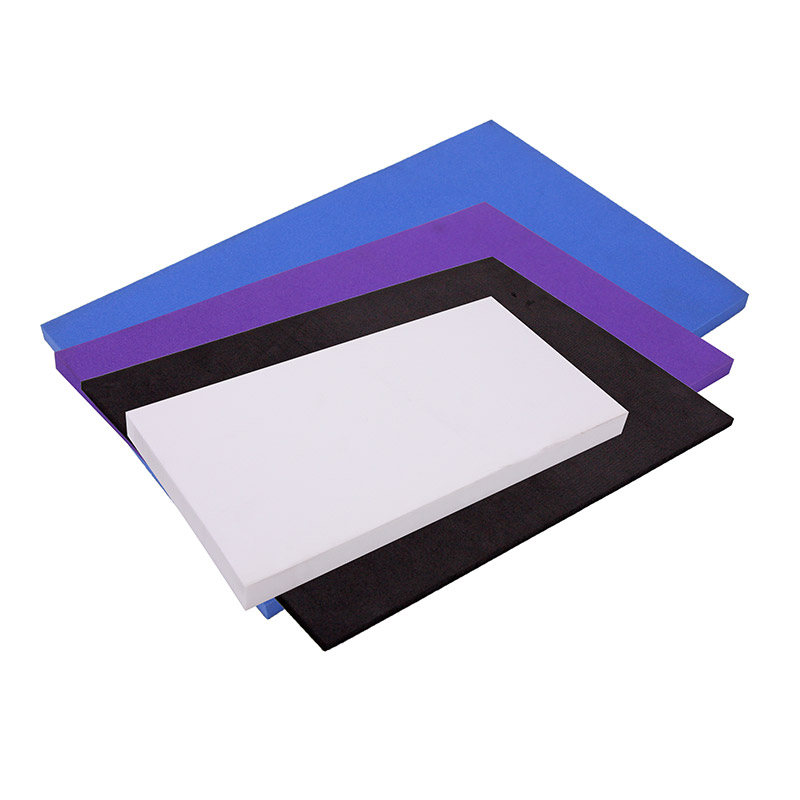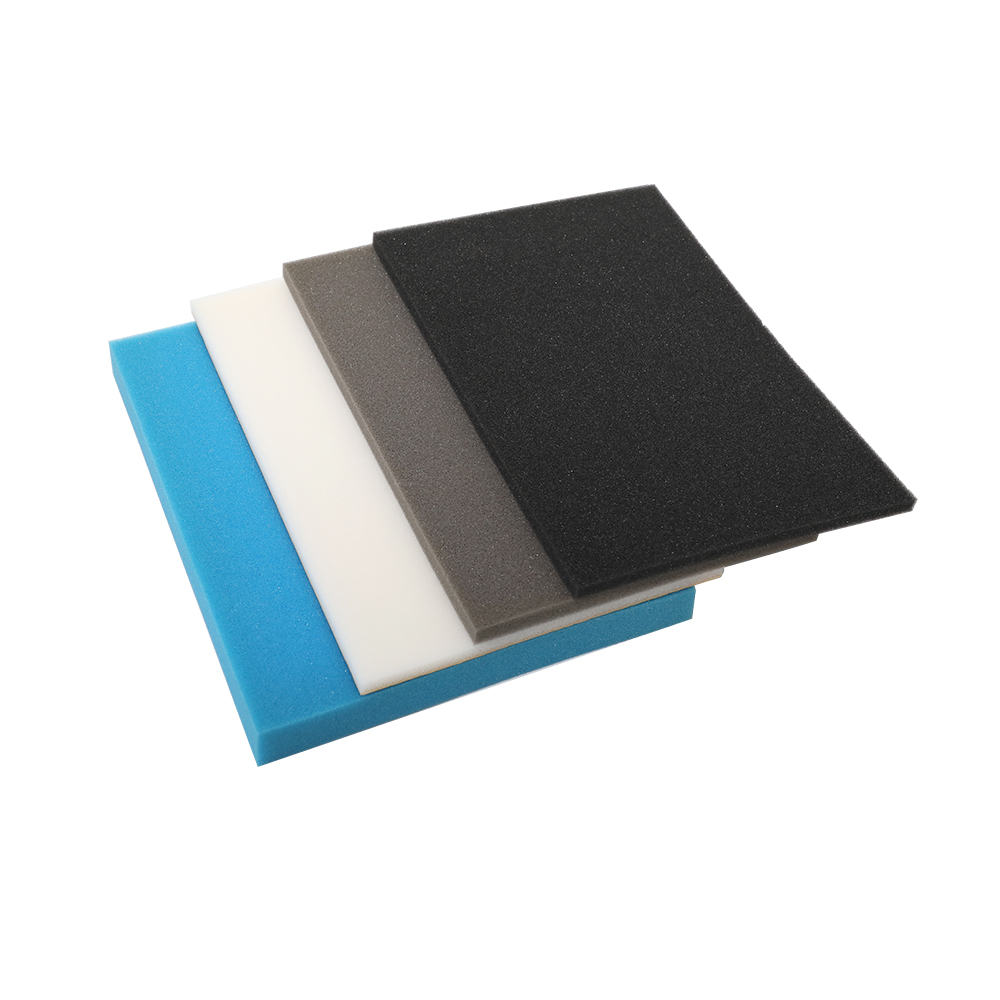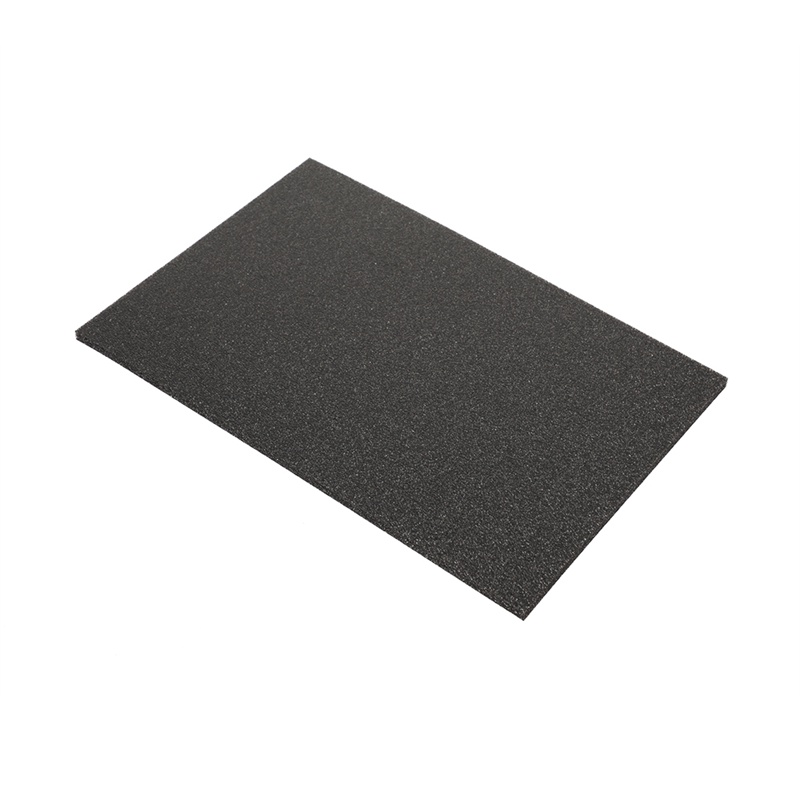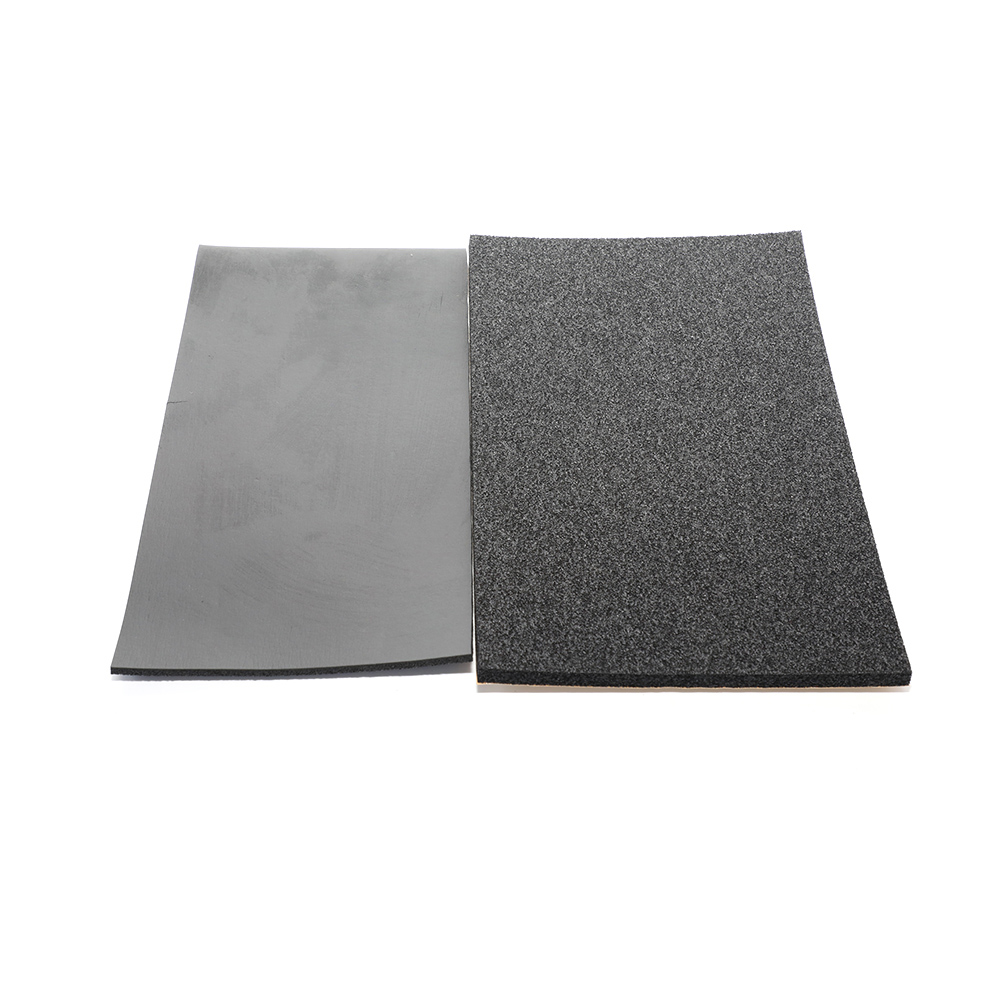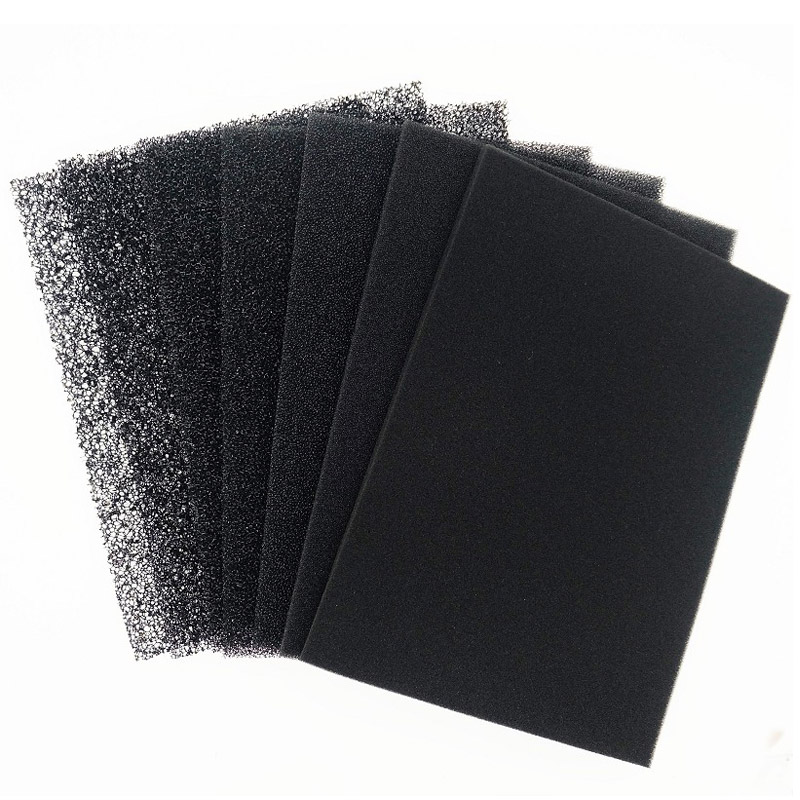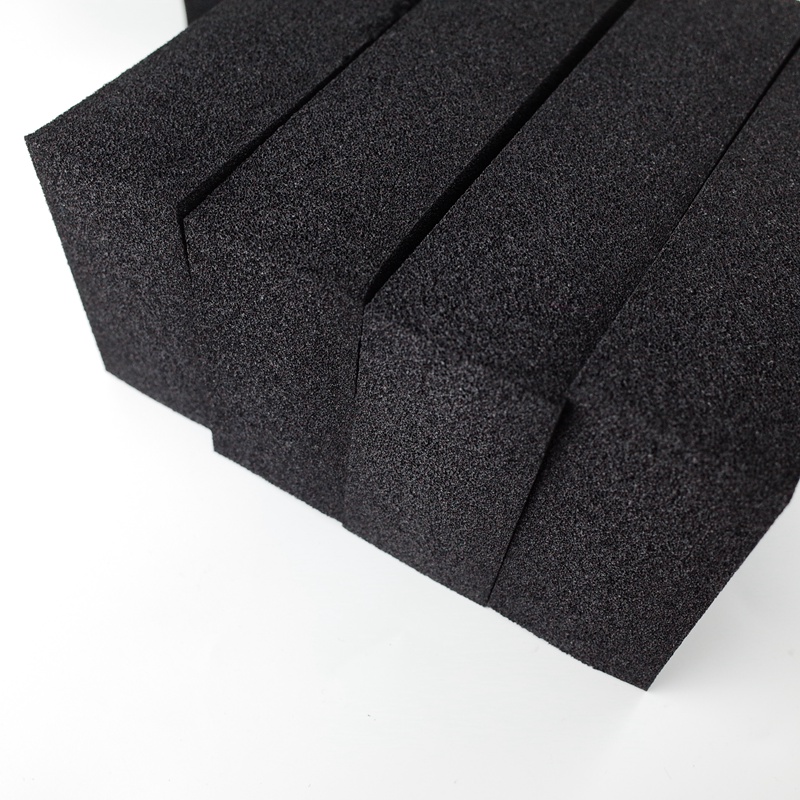



EVA, PE & EPDM Foam Boards
Introduction
EVA, PE, and EPDM foam boards are widely used across industrial processing, packaging, construction, and insulation applications. For foam converting factories and wholesale buyers, selecting the right foam board material is essential to ensure cutting efficiency, product consistency, and long-term supply stability.
This article explores how EVA, PE, and EPDM foam boards meet the needs of industrial processors and global traders.
EVA, PE & EPDM Foam Boards: Material Overview
EVA Foam Boards
EVA foam boards are known for their flexibility, shock absorption, and smooth surface finish. They are commonly used in packaging inserts, protective padding, and die-cut components.
Key advantages:
Easy CNC and die cutting
Uniform density and thickness
Lightweight with good resilience


PE Foam Boards
PE foam boards offer excellent chemical resistance and low water absorption, making them suitable for insulation and industrial protection.
Key advantages:
Closed-cell structure
Strong dimensional stability
Ideal for large-format foam sheet processing


EPDM Foam Boards
EPDM foam boards are widely used in sealing, insulation, and outdoor applications due to their durability and weather resistance.
Key advantages:
UV and ozone resistance
Stable performance in extreme temperatures
Long service life for industrial use
Applications in Industrial Processing & Wholesale Markets
EVA, PE, and EPDM foam boards are commonly applied in:
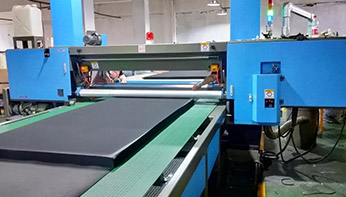
CNC cutting and die cutting factories
Industrial packaging and cushioning
Construction insulation systems
Sealing and vibration damping components
OEM foam parts manufacturing
These materials are particularly suitable for buyers requiring foam boards for industrial processing and bulk wholesale supply.According to resources from the U.S. Department of Energy, proper insulation materials play a key role in improving energy efficiency and long-term building performance.
What Processing Plants Look for in Foam Board Materials
For foam converting factories, material performance directly impacts efficiency and cost control. Key considerations include:
Consistent density across batches
Tight thickness tolerance
Clean cutting edges for CNC processing
Custom sheet sizes for production lines
Choosing a reliable foam board manufacturer ensures stable quality and reduced material waste.
Many material performance requirements for foam boards align with guidelines published by ASTM International, which provides globally recognized standards for industrial materials and testing methods.
Why Wholesale Buyers Prefer Factory-Direct Foam Board Supply
Wholesale buyers and international traders prioritize suppliers that offer:
Factory-direct pricing
OEM and private-label capability
Export-ready packaging
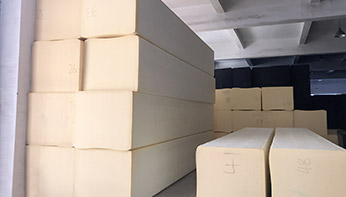
Long-term bulk supply stability
Direct sourcing from manufacturers allows better control over lead time, quality consistency, and overall procurement cost.
Future Demand for Industrial Foam Boards
As industries continue to prioritize lightweight materials, energy efficiency, and cost-effective processing, demand for EVA, PE, and EPDM foam boards is expected to grow steadily. These materials remain a preferred choice for industrial buyers seeking reliable foam solutions across multiple applications.