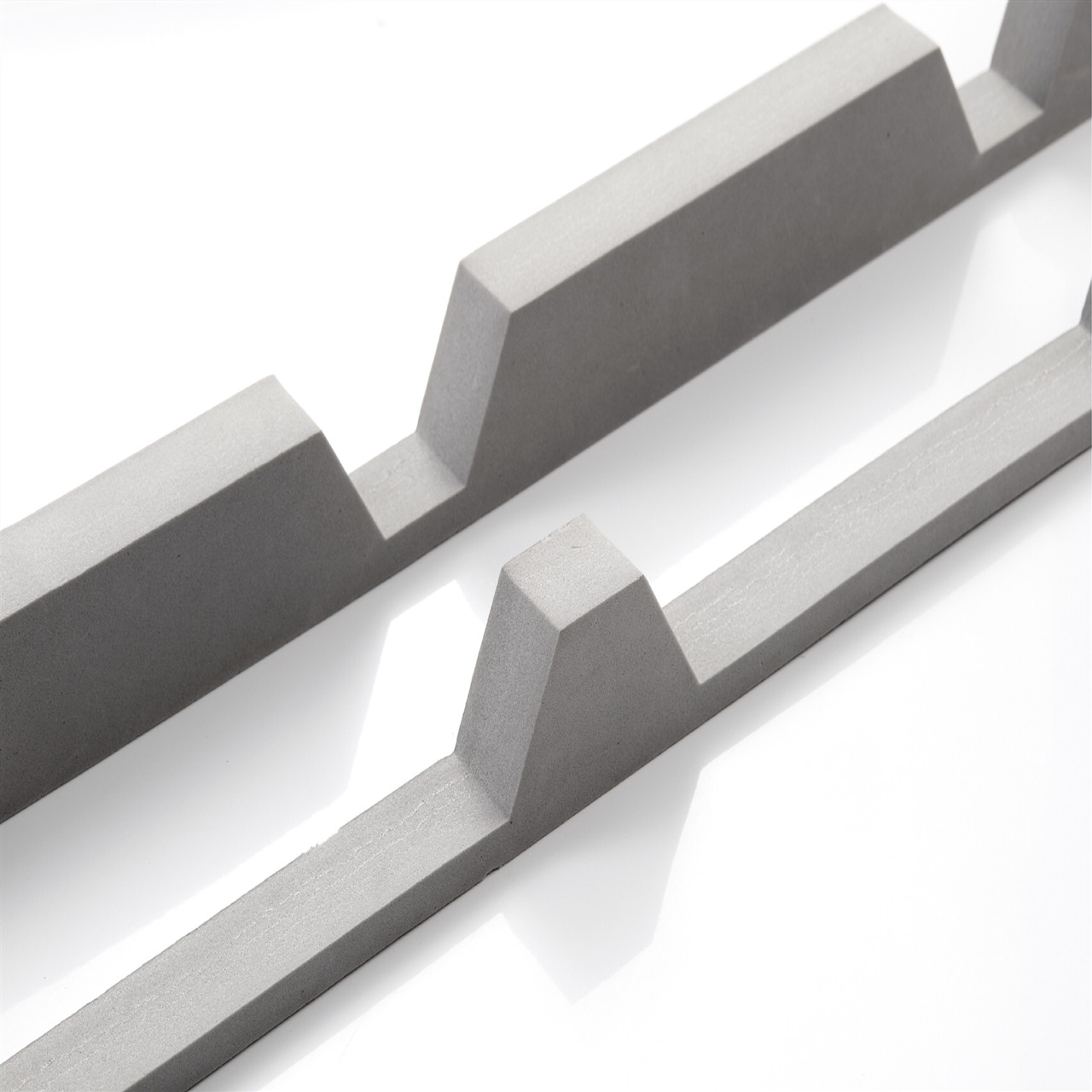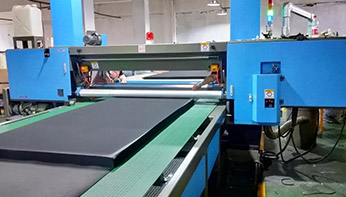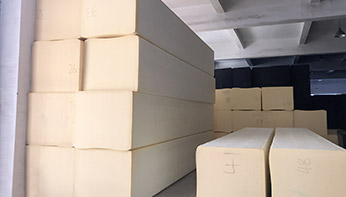



fiberglass reinforced polymer (FRP)
What is FRP? A Revolutionary Material Transforming Industries
In the ever-evolving world of materials science, Fiber-Reinforced Polymer (FRP) has emerged as a game-changer, revolutionizing industries from construction to aerospace. But what exactly is FRP, and why is it garnering so much attention?
Understanding FRP: The Basics
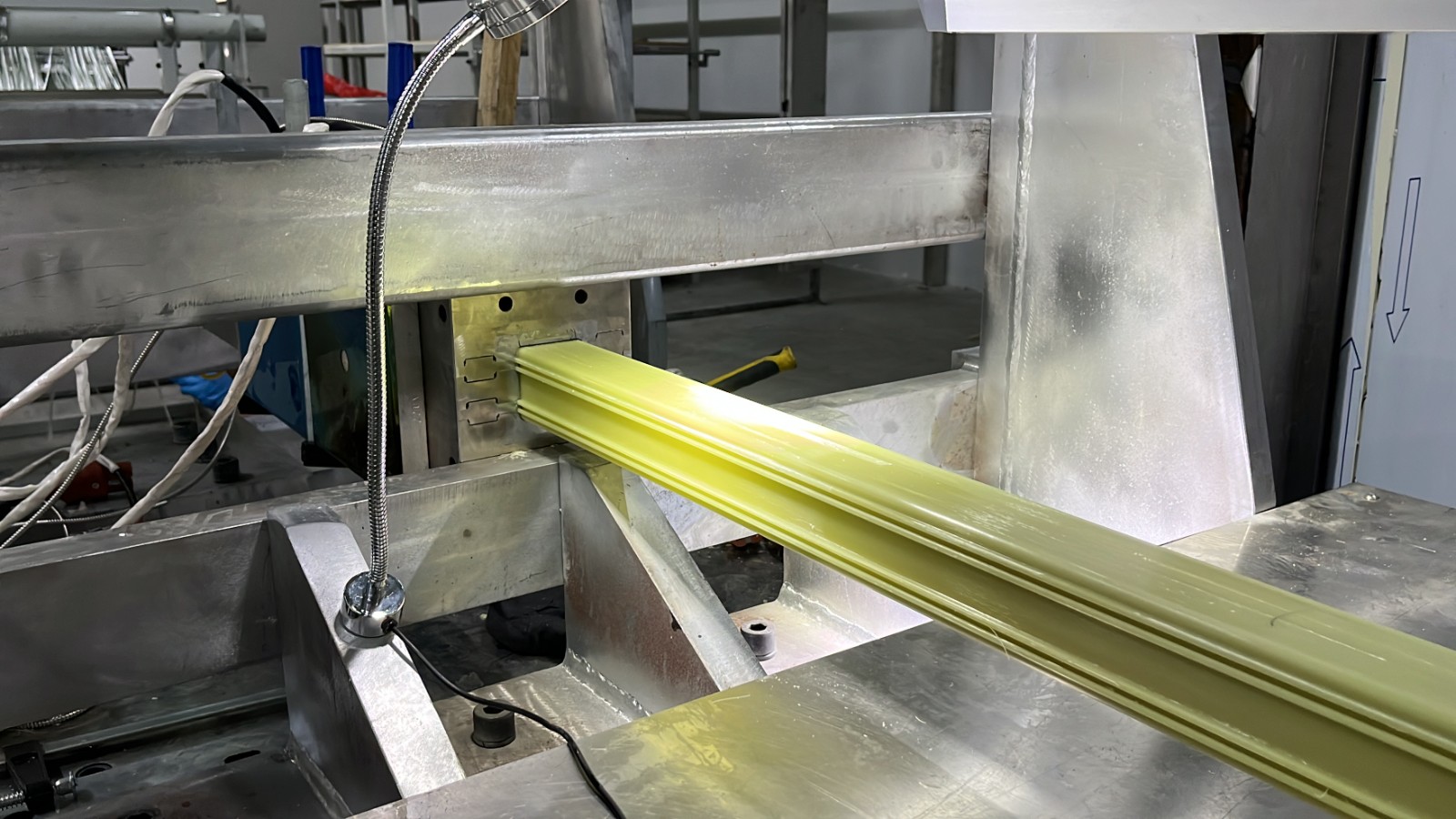
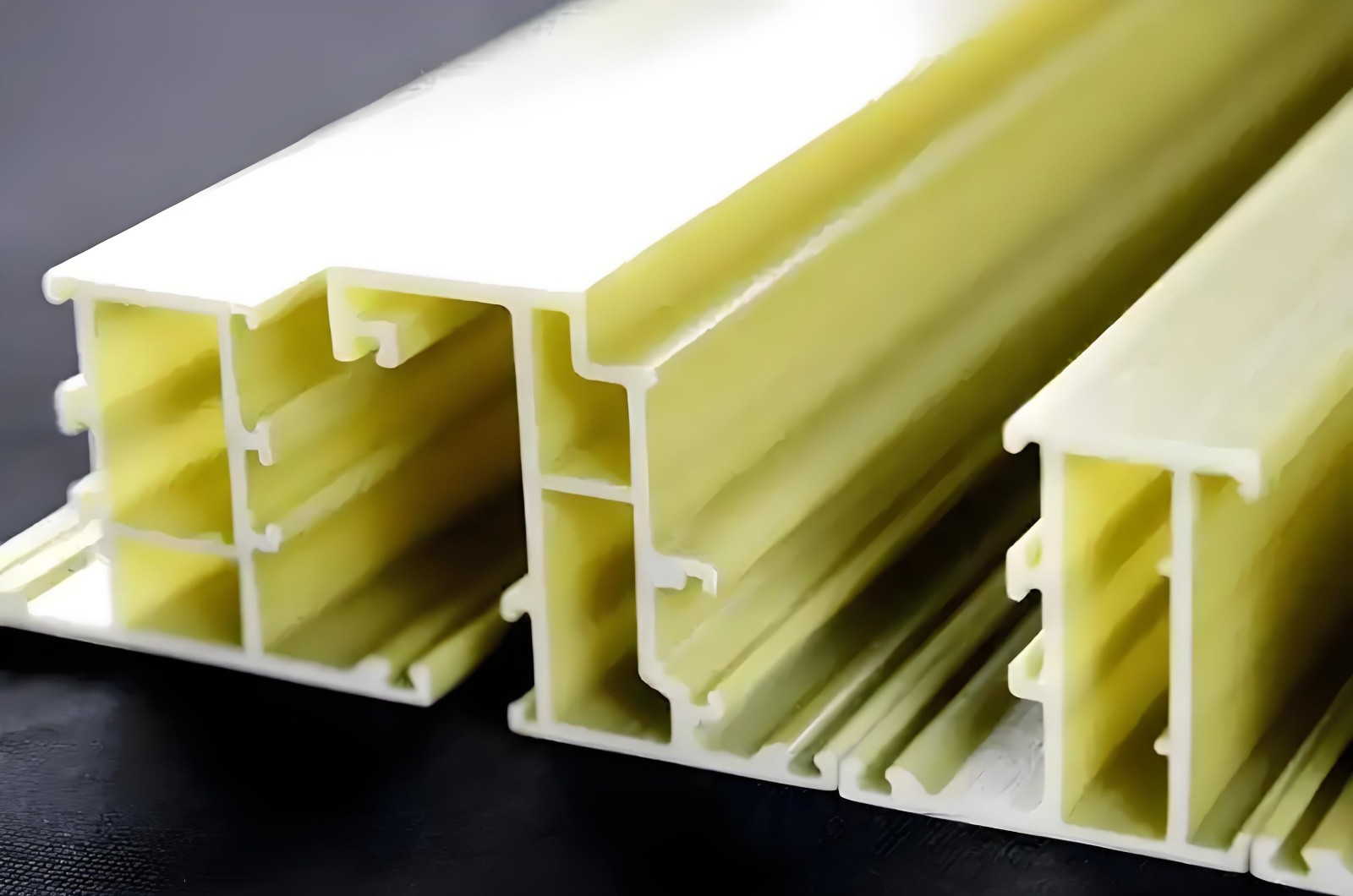
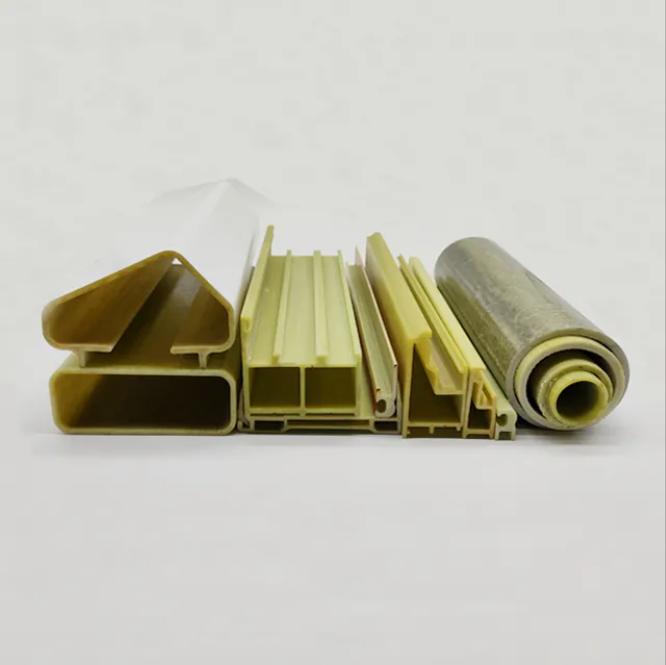
FRP, or Fiber-Reinforced Polymer, is a composite material made up of a polymer matrix reinforced with fibers. The fibers, typically made from glass, carbon, or aramid, provide strength and stiffness, while the polymer matrix, often epoxy, vinyl ester, or polyester, binds the fibers together and transfers stress between them. This combination results in a material that is not only lightweight but also incredibly strong and durable.
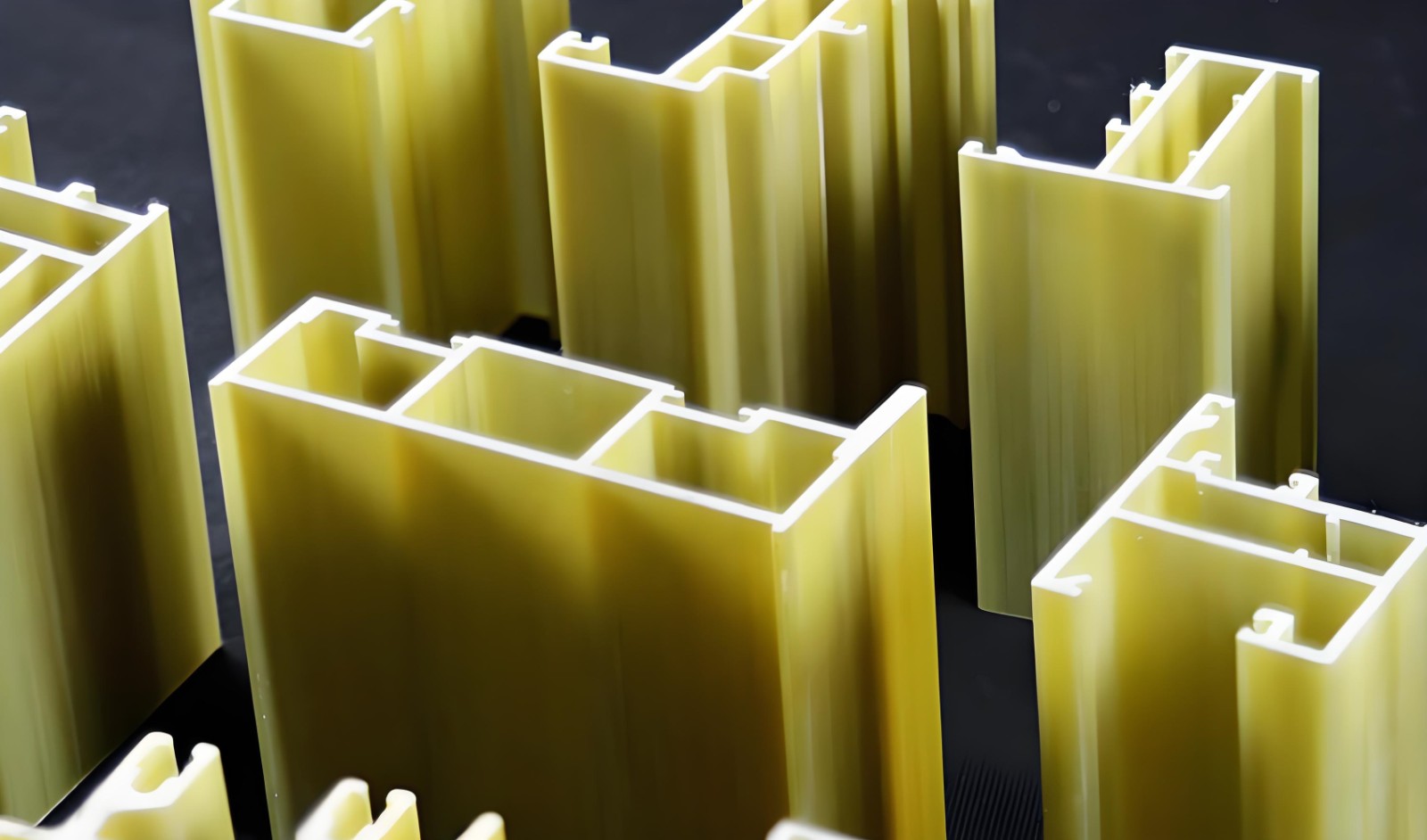 |  |  |
Why FRP is a Game-Changer
|
Construction: FRP is increasingly being used in the construction industry for reinforcing concrete, creating lightweight bridges, and even in the construction of entire buildings. Its corrosion resistance and strength make it an attractive alternative to traditional materials.
Aerospace: In the aerospace industry, weight reduction is crucial for fuel efficiency. FRP's lightweight nature and high strength make it an ideal material for aircraft components, from fuselages to interior panels.
Automotive: The automotive industry is leveraging FRP to create lighter, more fuel-efficient vehicles. From body panels to chassis components, FRP is helping to reduce the overall weight of cars without compromising on safety or performance.
Marine: FRP's resistance to corrosion makes it a popular choice for boat hulls, decks, and other marine structures. It is also used in the construction of offshore oil rigs and other marine infrastructure.
Renewable Energy: In the renewable energy sector, FRP is used in the construction of wind turbine blades. Its strength and durability ensure that these blades can withstand the harsh conditions they are exposed to, while its lightweight nature helps to maximize energy efficiency.
The Future of FRP
As research and development in materials science continue to advance, the potential applications for FRP are expanding. Innovations in fiber technology and polymer chemistry are leading to even stronger, more durable, and more versatile FRP materials. This, in turn, is opening up new possibilities across a wide range of industries.
In conclusion, FRP is a revolutionary material that is transforming the way we think about construction, manufacturing, and design. Its unique combination of strength, lightness, and durability makes it an invaluable resource for industries looking to push the boundaries of what is possible. As we continue to explore the potential of FRP, one thing is clear: the future is bright for this remarkable material.
For more information on how FRP can benefit your industry, contact us today. Let’s build the future together with FRP!