


How High-Performance Foam Materials Improve Winter Energy Efficiency in Modern Buildings
How High-Performance Foam Materials Improve Winter Energy Efficiency in Modern Buildings
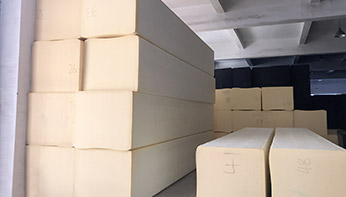
As winter temperatures drop across many regions, improving a building’s energy efficiency becomes a top priority for architects, contractors, and homeowners. High-performance foam materials—such as foam sealing strips, rubber sponge boards, backer rods, foam closures, and weatherproofing tapes—are playing an increasingly vital role in helping modern buildings maintain stable indoor temperatures and reduce energy loss.
At Dengyue Group, we specialize in advanced foam technologies designed to enhance insulation, airtightness, and long-term durability in winter conditions. Here’s how foam solutions are transforming cold-season building performance.
1. Enhanced Airtightness: Preventing Heat Loss at the Source
Air leakage is one of the biggest contributors to winter energy waste. Gaps around windows, doors, roofing sheets, wall joints, and pipe penetrations allow warm indoor air to escape while letting cold drafts in.
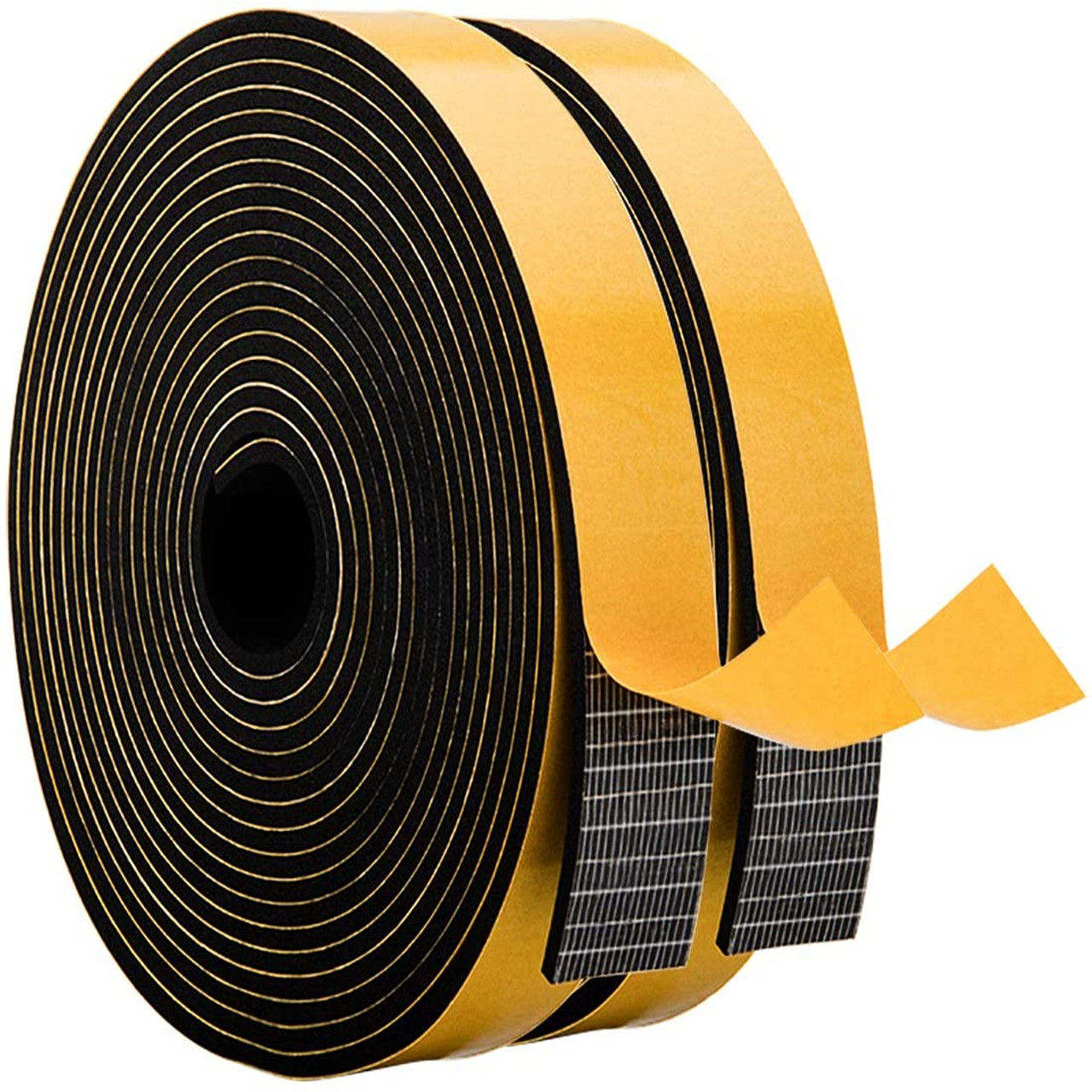
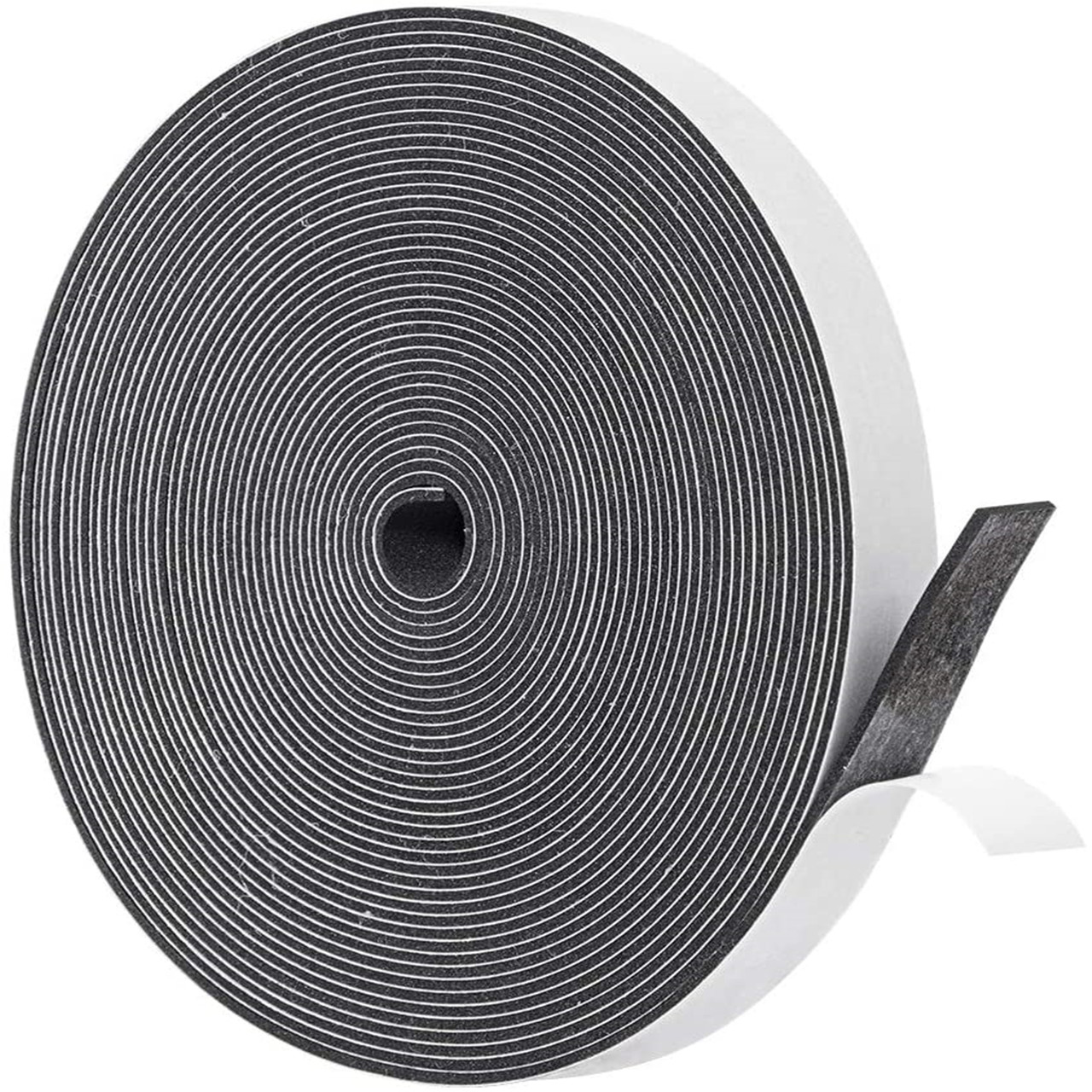
High-performance foam materials—especially foam seal strips, EPDM sponge gaskets, and backer rods—create a continuous airtight barrier. Their compressibility allows them to fill irregular gaps and maintain long-term elasticity even in low temperatures.
 2. Superior Thermal Insulation for Cold-Weather StabilityFoam-based insulation materials offer low thermal conductivity, making them ideal for winter energy-saving applications. Products such as rubber foam boards, EVA foam, and closed-cell polyethylene foam provide excellent heat retention without adding significant thickness or installation time. These materials work by trapping millions of tiny air pockets inside the foam structure, effectively slowing heat transfer. Key advantages:
|
3. Moisture Control and Condensation Prevention
Winter temperature differences between indoor and outdoor environments often lead to condensation—especially in roofs and metal structures.
Foam materials like roof foam closures, ridge vent rolls, and butyl sealant tapes help reduce moisture accumulation by:
Improving ventilation flow
Sealing roof panel gaps
Preventing snow, wind, and water infiltration
By reducing moisture risks, building materials such as metal roofs, insulation layers, and structural components maintain integrity and extend their lifespan.
 |  |  |
4. Eco-Friendly Solutions for Sustainable Winter Construction
With growing global interest in sustainability, many winter construction projects now prefer recyclable, non-toxic, and low-VOC materials.
Dengyue’s foam products—especially cork sheets, EVA foam, and environment-friendly rubber foam—provide:
Low environmental impact
Excellent insulation and sealing performance
Durable, long-lasting winter protection
Compliance with strict EU/US environmental standards
These solutions support both energy-efficient and eco-friendly building strategies.
As buildings continue to advance toward higher sustainability and stricter energy standards, high-performance foam materials have become essential components in winter construction.
From airtight sealing to superior insulation and moisture management, foam technologies are helping buildings stay warmer, reduce energy consumption, and deliver long-term comfort throughout the coldest months.
Dengyue Group remains committed to developing innovative foam solutions that support the next generation of energy-efficient buildings worldwide.