


The Ultimate Guide to NBR Foam
In the world of high-performance industrial materials, NBR Foam (Nitrile Butadiene Rubber) stands out for its exceptional resistance and durability. For engineers and procurement managers, choosing the right foam can mean the difference between a long-lasting seal and a costly system failure.
What is NBR Foam?
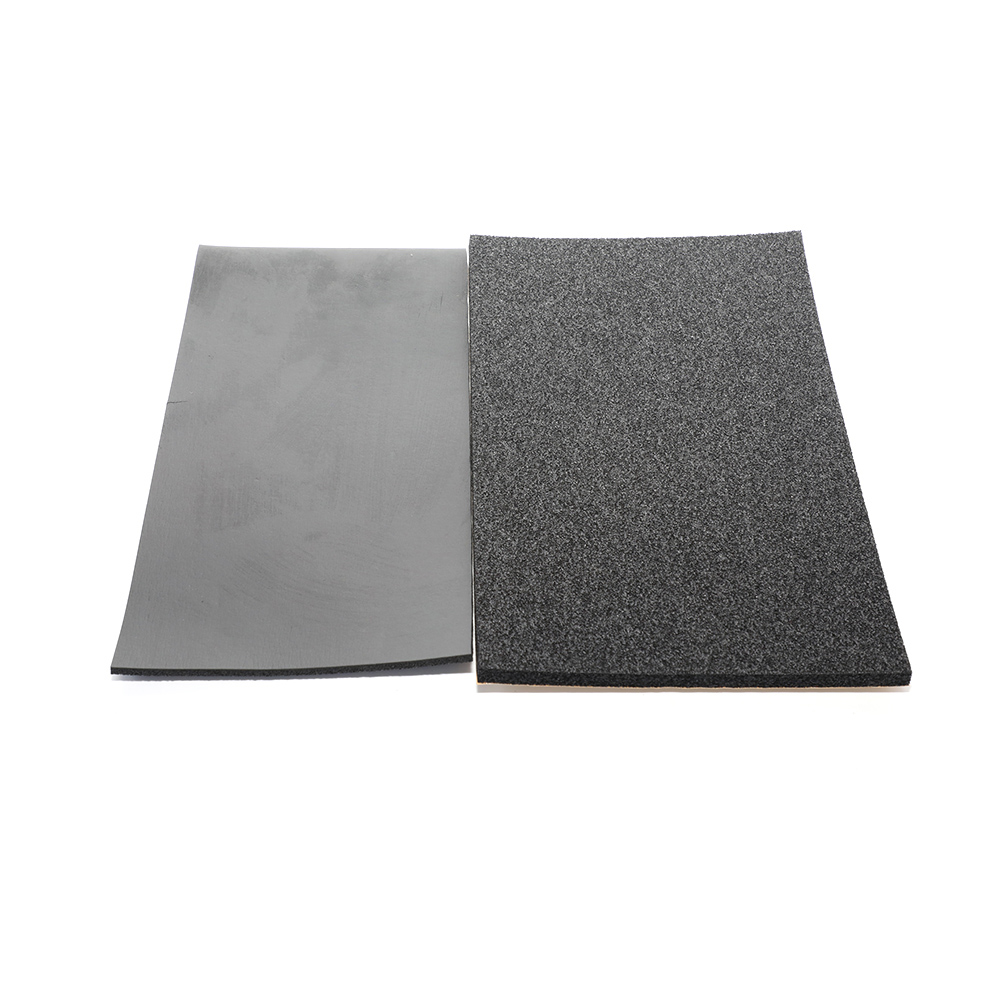
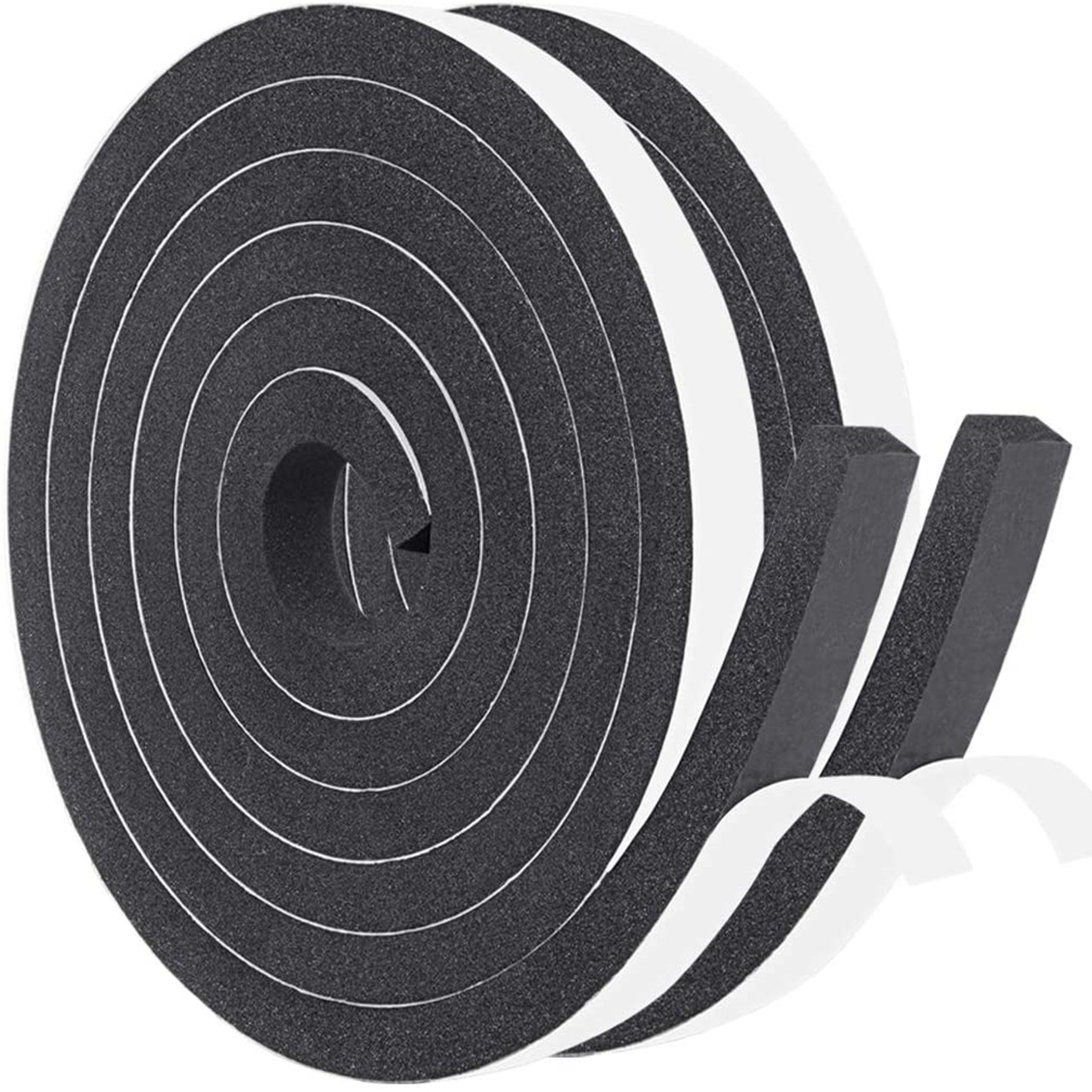
NBR Foam, also known as nitrile rubber foam, is a flexible, closed-cell synthetic rubber material. Its unique chemical composition provides a superior balance of mechanical properties, making it the preferred choice for heavy-duty industrial applications where oil resistance and thermal insulation are critical.
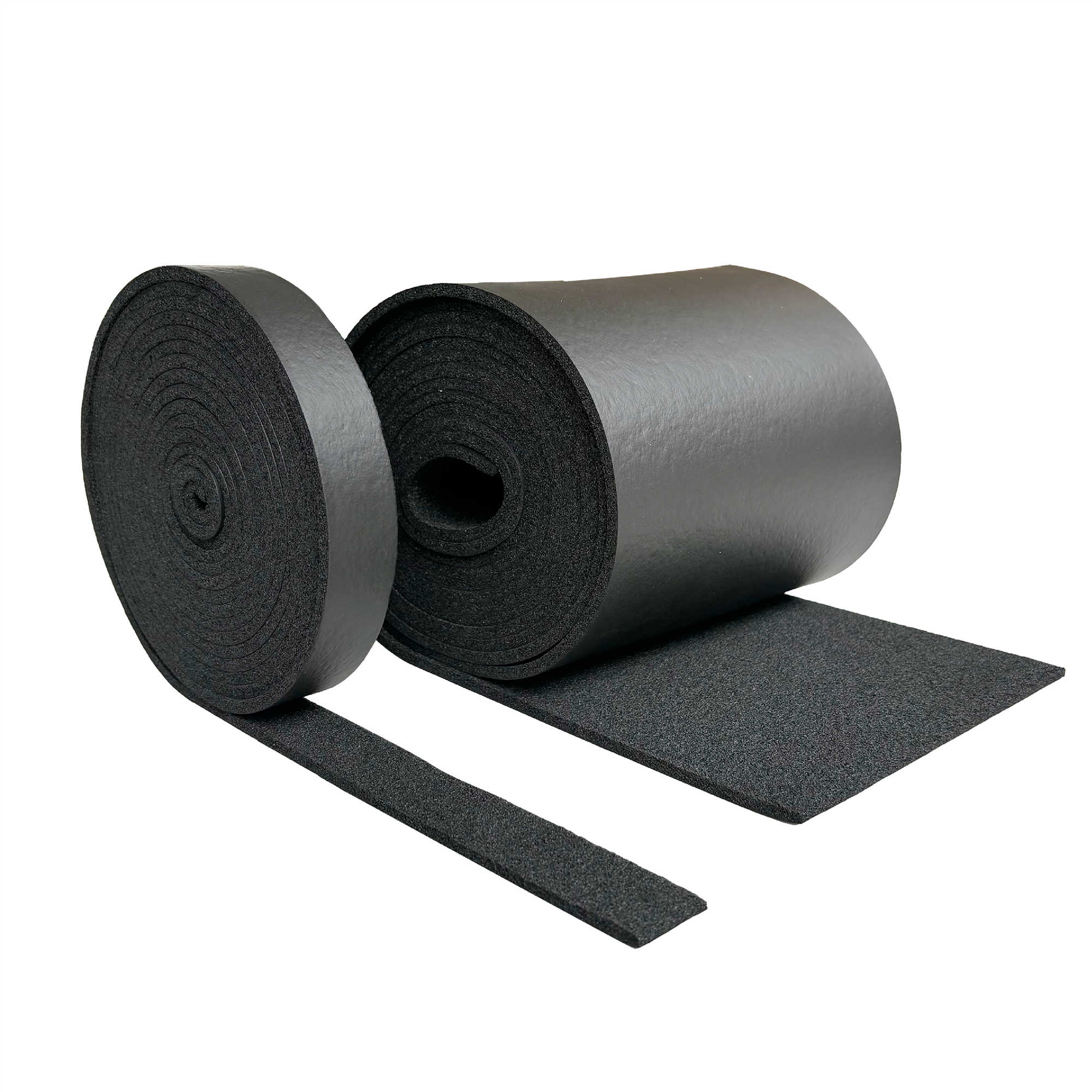 NBR foam sheet for industrial sealing | 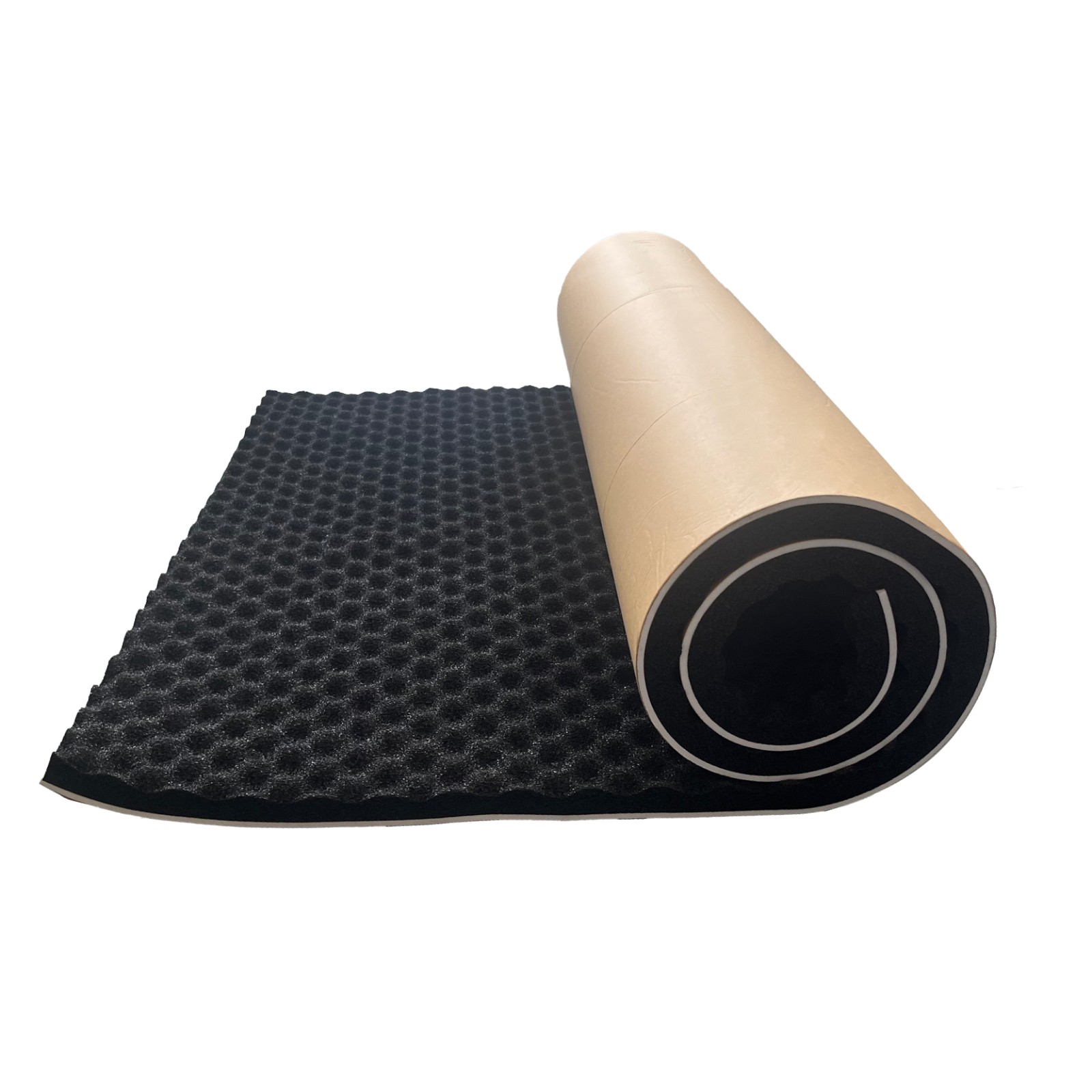 NBR foam sheet for car |
Key Technical Advantages of NBR Foam
Superior Oil & Fuel Resistance: Unlike EVA or PE foam, NBR maintains its integrity when exposed to oils, fuels, and common industrial chemicals.
Thermal Insulation:Excellent for HVAC systems, providing consistent temperature control and preventing condensation.
Wide Temperature Range: Operates effectively from -40°C to +120°C, suitable for extreme environments.
High Resilience: Offers great compression set resistance, ensuring long-term sealing performance.
Main Industrial Applications
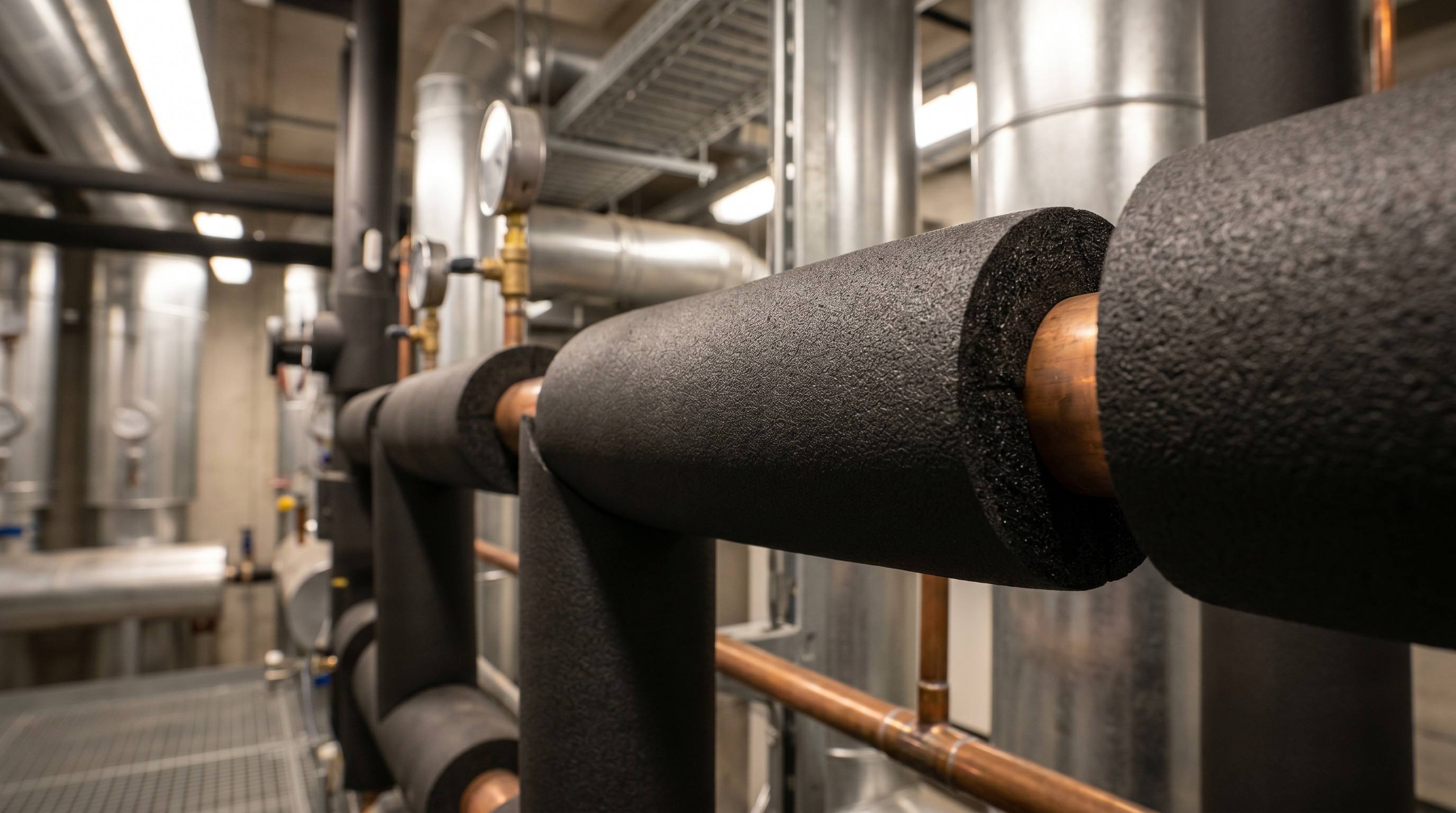
1. Automotive Sector
Used for engine compartment seals, fuel pipe insulation, and vibration damping pads to reduce noise and heat transfer.
2. HVAC & Construction
Ideal for pipe insulation tubes and sheets in air conditioning systems to maximize energy efficiency.
NBR Foam vs. EPDM Foam: Which is Better?
| Feature | NBR Foamnbr | EPDM Foam |
|---|---|---|
| Oil Resistance | Excellent | Poor |
| Weather/UV Resistance | Fair | Excellent |
| Best Use Case | Industrial/Oily Environments | Outdoor/Sunlight Exposure |
Custom NBR Foam Solutions
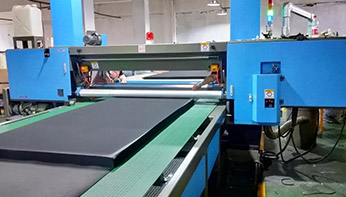
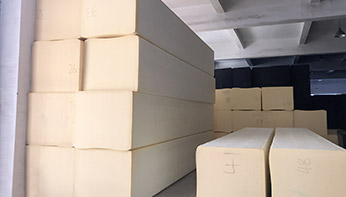
Looking for a reliable NBR foam manufacturer for your industrial project? We provide custom densities, sizes, and precision cutting services.
Get a Free Quote Today